Aksel Bakunts
Writer & Screenwriter
Share QR code
Aksel Bakunts (Aleksandr Stepani Tevosyan)
Aksel Bakunts (Aleksandr Stepani Tevosyan)
Biography
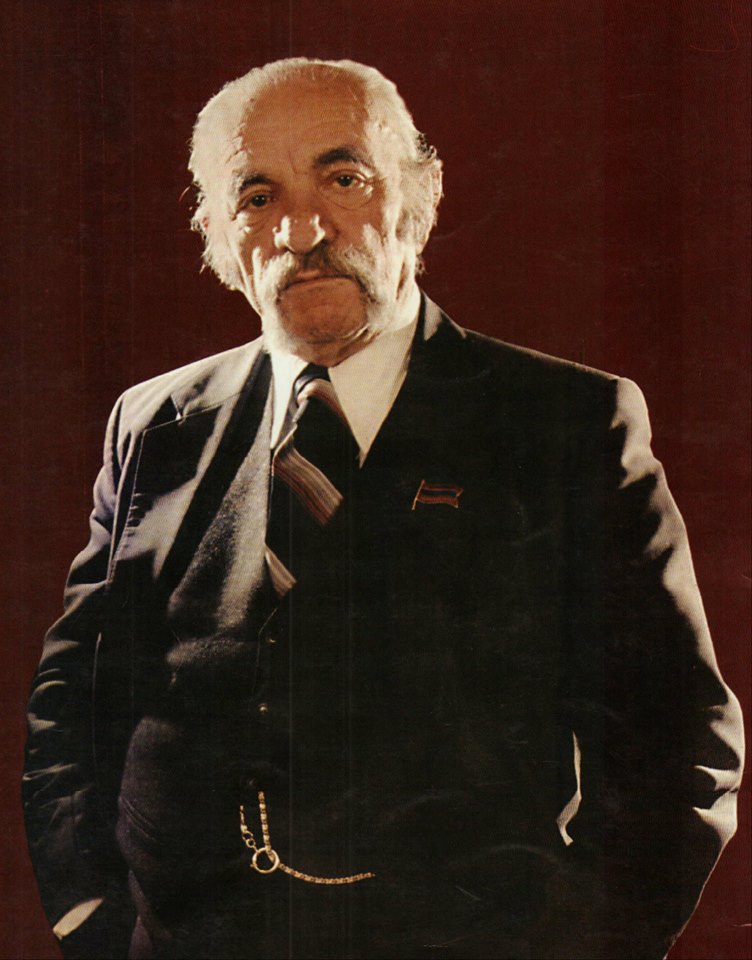
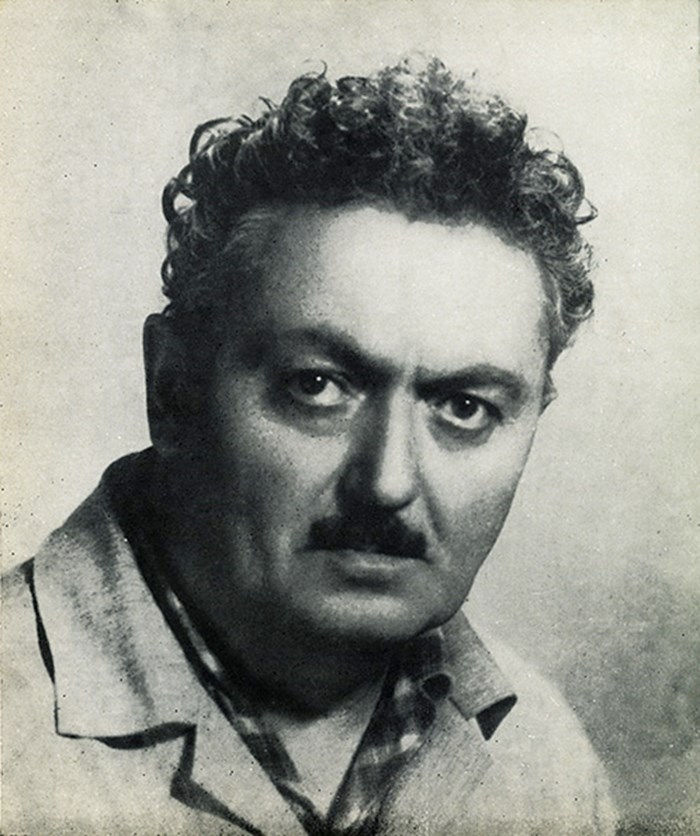
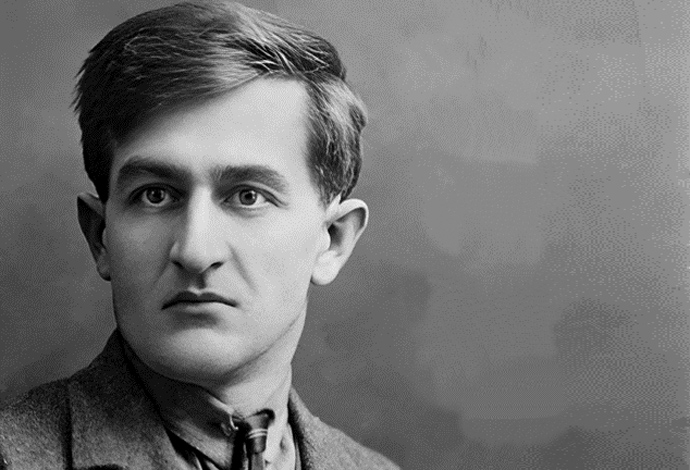
Axel Bakunts was born on June 13, 1899 in Goris. After graduating from the Goris parish school in 1910 Bakunts, he entered the Georgian Seminary in Echmiadzin, from which he graduated in 1917. Later he was engaged in pedagogical work in the village Lore, Zangezur. In 1917-1918, as an ordinary soldier, he participated in the battles at Ashkalа, Illidzha, Ardahan and the battle of Sardarapat. He studied at the Tbilisi Polytechnic Institute (Georgia), then left for Kharkov, in 1923 he graduated from the Kharkov Agricultural Institute, then he returned and in 1927-1928 he worked in Zangezur as a provincial agriculturist, head of the land department of the executive committee, in 1926-1931 as a deputy head of the land committee in Yerevan, in 1927-1928 he worked in “Machkal” newspaper as well. In 1928 he participated in the organization of the Yerevan Institute of Animal Husbandry and Veterinary (zoovet) and worked there. In 1931 he worked in the “Nor Ughi” (New Way) magazine. Then he was mainly engaged in literary work. He wrote the screenplays for the movies “Zangezur” and “Arevi Zavak”(Child of the Sun). He was shot on July 8, 1937 on the order of Stalin.
Literary works: Works: He has different collections and works, let’s mention some of the most famous: “Alpine violet”, “Mirhav”, “White horse”, “Mtnadzor”. He also did translations.
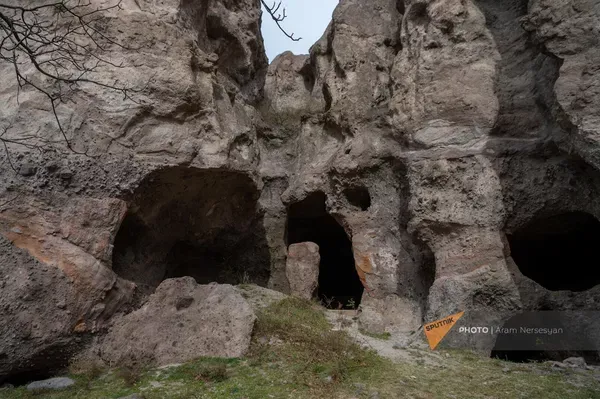
A.Bakunts about Goris. We can often find stories about Goris or landscapes describing Goris in the novels of Bakunts. One of his novels is dedicated to Goris and is called by the old name “Kyores”. The story of Kyores is a description of the city of Goris, the local atmosphere, the old and new parts of the city, the famous market with access from seven roads, where greedy merchants would harass the naive villagers, oppressing them with illegal bills. There were peasants, government officials, people of different nationalities, housewives, the new generation was advancing in two directions, one with Russian education as a high level, the other with modest Armenian education, which was special to the element with limited capacity. This is how the story begins. “The city had two names: Goris and Kyores. The third name, Koris, was given by only one person, the pharmacist Kyalla Tsatur, who was proclaimed in the city as a philosopher and a lover of ancient books ․․. The city had two names; in these two names, as in two walnut shells, the city was concluded in two senses, a settlement with two different nations, who had their own customs, different interests, even their names were different. These two nations did not understand each other’s language. On the one side there were “foreigners”, or, as the Kyores people used to say the “Garibs”; on the other side was Kyores itself; its citadel Shen; and its famous leaders Ghatrin Aghalo, who lifted the loaded donkey off the ground, Paran-Paran Avanes, whose voice reached the Drngan gorge, Gyurdji Obi, from whose tongue even the mayor Matthew was afraid.”
_(05).jpg)